RV Repair Winter Garden provides mobile rv wall panel repair throughout Orange, Lake, and Osceola counties. Our certified technician comes to your wherever your RV is parked. Flat-rate pricing quoted before we start - no towing required.
Our certified mobile technicians provide rv wall panel repair throughout Winter Garden and all of Orange, Lake, and Osceola counties. We come to your wherever your RV is parked - no towing, no shop drop-off required.
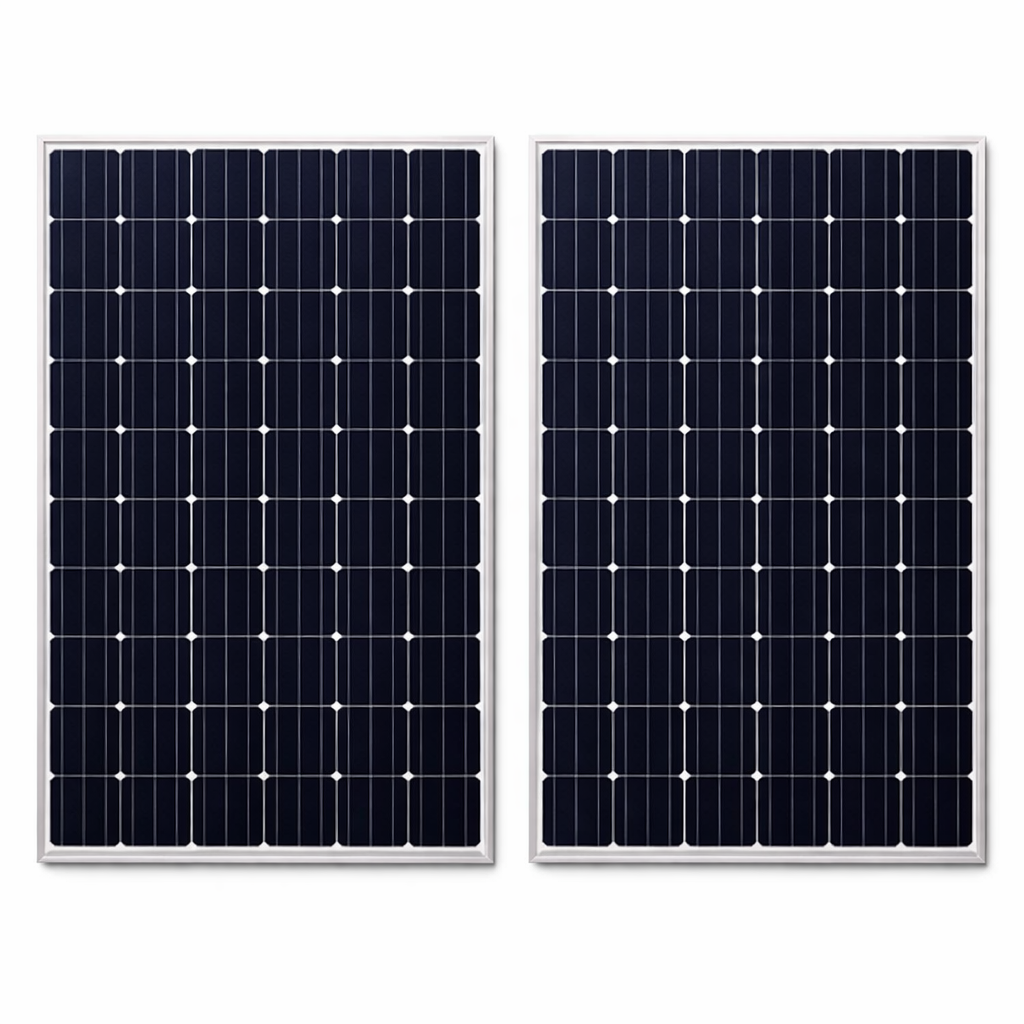
Product Renogy Solar in Winter Garden, FLSvc Solar in Winter Garden, FL
Flat-rate pricing is given before any work begins. You approve the price, we do the work. Available 7 days a week, 7 AM to 8 PM.
Wall panel repairs range from $95 to $285 for a patch or delamination repair, and $275 to $650 for a full panel section replacement. Multiple adjacent panels typically offer a combined price that is lower than replacing each individually.
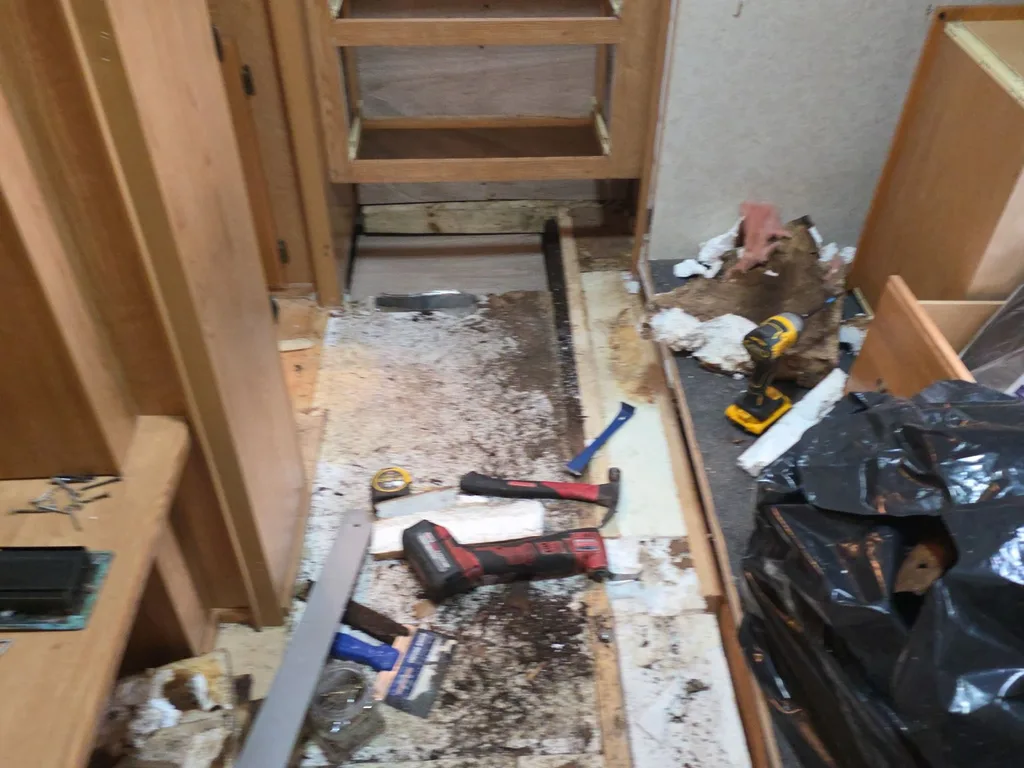
Interior wall panel delamination is caused by water infiltration from outside - typically through failed window seals, exterior seam failures, or roof leak water traveling down the wall. The moisture breaks the adhesive bond between the thin lauan inner skin and the foam insulation core. Finding and stopping the water source is essential before interior repair.
If the delamination is limited to the inner skin separating from the foam core and the substrate is completely dry, regluing with contact cement is viable. If the foam core itself is saturated or the outer aluminum or fiberglass skin has delaminated from the foam, the full wall panel section needs replacement.
Most RV interior walls are lauan (thin mahogany plywood) panels in 4 x 8 sheets, printed with a wood grain pattern. The lauan is adhered to the foam-core structural wall.
High-end RVs may use fiberglass-skinned panels. Replacement panels are available from RV suppliers in matching simulated-wood prints.
Yes if the stain is dry and the substrate is sound. Prime with a shellac-based primer (Zinsser BIN) to seal the stain, then paint with an interior alkyd or latex paint. Painting directly over a water stain without shellac primer results in the stain bleeding through standard primer and paint.
Small stress cracks in fiberglass interior panels can be filled with fiberglass-compatible filler (Bondo Fiberglass or equivalent), sanded smooth, and painted. Structural cracks that indicate frame movement or impact damage require investigation before cosmetic repair.
Yes - most RV wall panels are installed in sections between structural framing members. A single damaged panel can typically be removed and replaced without affecting adjacent panels. Trim moldings at the top and bottom are removed first; the panel is then unfastened and the new panel slid in.
Backing-out fasteners in RV walls are typically cabinet or trim mounting screws that have worked loose from vibration. This is a normal maintenance item on RVs over 5 years old.
Back the screw in and add a dab of thread locker. If the fastener keeps backing out, the substrate behind the wall is gone - add a toggle bolt or backing plate.
Mold embedded in the lauan substrate produces musty odor even when the surface feels dry. The lauan wood fibers hold mold spores that continue to off-gas.
Spraying with a dilute bleach solution (10%) and letting it penetrate kills surface mold. Deeply embedded mold in saturated lauan requires panel replacement.
Repair individual panels when the damage is isolated to 2 to 4 panels and the structural framing is sound. If 30% or more of the interior panels show water damage and the substrate behind them is compromised, a full interior renovation that addresses the structural issues before finishing is more cost-effective in the long run.
FAQ
Common Questions
Wall panel repairs range from $95 to $285 for a patch or delamination repair, and $275 to $650 for a full panel section replacement. Multiple adjacent panels typically offer a combined price that is lower than replacing each individually.
Interior wall panel delamination is caused by water infiltration from outside - typically through failed window seals, exterior seam failures, or roof leak water traveling down the wall. The moisture breaks the adhesive bond between the thin lauan inner skin and the foam insulation core. Finding and stopping the water source is essential before interior repair.
If the delamination is limited to the inner skin separating from the foam core and the substrate is completely dry, regluing with contact cement is viable. If the foam core itself is saturated or the outer aluminum or fiberglass skin has delaminated from the foam, the full wall panel section needs replacement.
Most RV interior walls are lauan (thin mahogany plywood) panels in 4 x 8 sheets, printed with a wood grain pattern. The lauan is adhered to the foam-core structural wall.
High-end RVs may use fiberglass-skinned panels. Replacement panels are available from RV suppliers in matching simulated-wood prints.
Yes if the stain is dry and the substrate is sound. Prime with a shellac-based primer (Zinsser BIN) to seal the stain, then paint with an interior alkyd or latex paint. Painting directly over a water stain without shellac primer results in the stain bleeding through standard primer and paint.
Small stress cracks in fiberglass interior panels can be filled with fiberglass-compatible filler (Bondo Fiberglass or equivalent), sanded smooth, and painted. Structural cracks that indicate frame movement or impact damage require investigation before cosmetic repair.
Yes - most RV wall panels are installed in sections between structural framing members. A single damaged panel can typically be removed and replaced without affecting adjacent panels. Trim moldings at the top and bottom are removed first; the panel is then unfastened and the new panel slid in.
Backing-out fasteners in RV walls are typically cabinet or trim mounting screws that have worked loose from vibration. This is a normal maintenance item on RVs over 5 years old.
Back the screw in and add a dab of thread locker. If the fastener keeps backing out, the substrate behind the wall is gone - add a toggle bolt or backing plate.
Mold embedded in the lauan substrate produces musty odor even when the surface feels dry. The lauan wood fibers hold mold spores that continue to off-gas.
Spraying with a dilute bleach solution (10%) and letting it penetrate kills surface mold. Deeply embedded mold in saturated lauan requires panel replacement.
Repair individual panels when the damage is isolated to 2 to 4 panels and the structural framing is sound. If 30% or more of the interior panels show water damage and the substrate behind them is compromised, a full interior renovation that addresses the structural issues before finishing is more cost-effective in the long run.
RV Problem? We Come to You.
Same-day service across Winter Garden and all of Central Florida. Guaranteed flat-rate pricing before we start.