RV Repair Winter Garden provides mobile rv hydraulic slide repair throughout Orange, Lake, and Osceola counties. Our certified technician comes to your wherever your RV is parked. Flat-rate pricing quoted before we start - no towing required.
Our certified mobile technicians provide rv hydraulic slide repair throughout Winter Garden and all of Orange, Lake, and Osceola counties. We come to your wherever your RV is parked - no towing, no shop drop-off required.
Feat Ac Repair in Winter Garden, FLFeat Slide Out in Winter Garden, FL
Flat-rate pricing is given before any work begins. You approve the price, we do the work. Available 7 days a week, 7 AM to 8 PM.
1Call us with the details. Tell us about the rv hydraulic slide repair issue and where your RV is located. We provide a flat-rate quote over the phone.
2Tech dispatched to your location. A certified technician drives to your wherever your RV is parked with the tools and parts needed.
3Repaired on-site, same day. Most rv hydraulic slide repair jobs are completed in a single visit. No waiting, no shop drop-off, no towing fees.
4Pay only what was quoted. The price you approved upfront is the price you pay. No surprise charges after the fact.
Hydraulic slide repairs range from $185 for a hose fitting replacement to $1,400 for a hydraulic pump rebuild or cylinder replacement. Hydraulic fluid flush and seal replacement runs $285 to $550. We diagnose the specific component before quoting.
Hydraulic leaks originate from hose fittings, cylinder rod seals, or the pump manifold O-rings. Hose fitting leaks are the most common and most economical repair - a loose or cracked fitting can often be tightened or replaced on-site. Cylinder rod seal leaks require cylinder removal and rebuild.
Yes - hydraulic systems have a reservoir on the pump unit. The fluid type matters: most RV hydraulic systems use automatic transmission fluid (Dexron III or equivalent) or dedicated hydraulic oil.
Check the pump label or owner's manual for the correct fluid. Never mix fluid types as this degrades the seals.
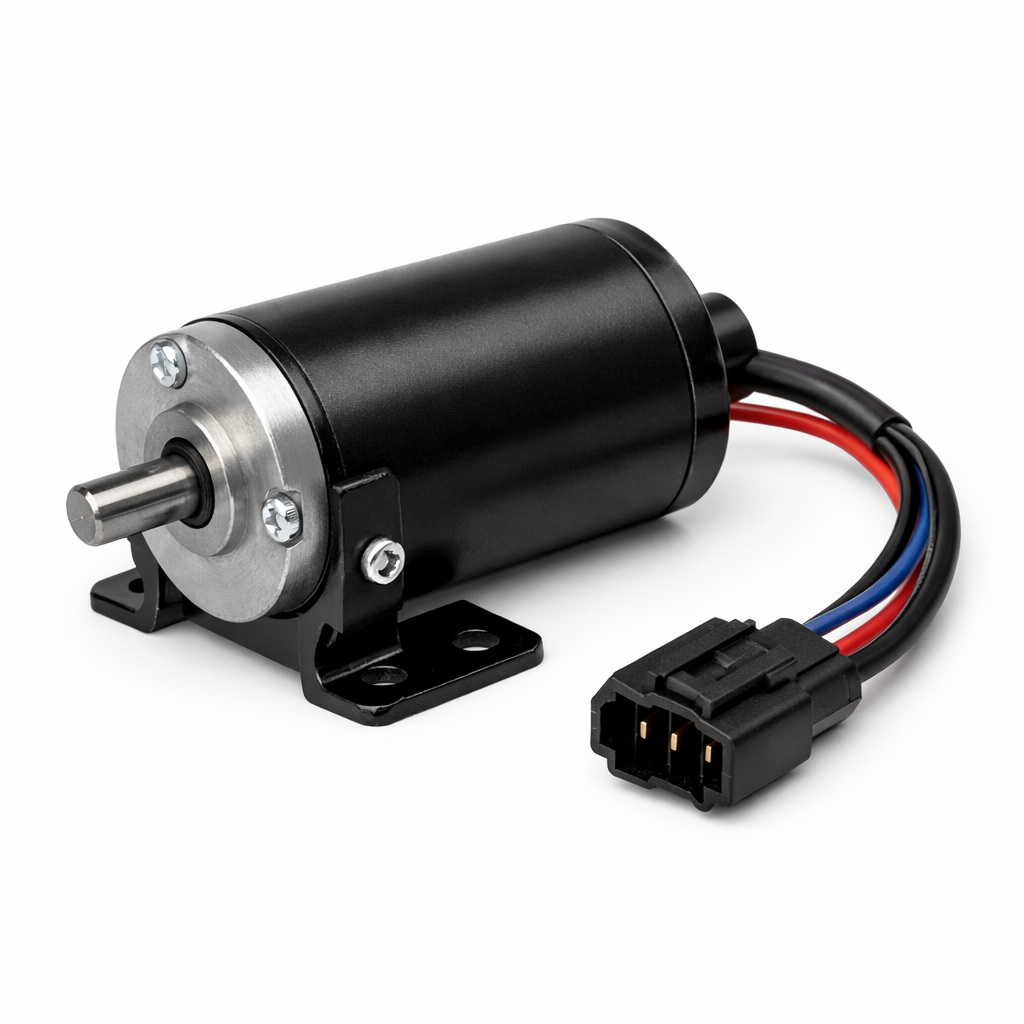
Low hydraulic fluid level, a weak pump motor, or a partially clogged hydraulic filter are the most common causes of slow or stalled hydraulic slides. The pump motor draws high amperage - a low battery or corroded battery connection also causes sluggish operation even with full fluid.
Most hydraulic systems include a manual pump or bypass valve. Locate the hydraulic manifold - usually in a basement compartment on Class A motorhomes. The bypass valve allows the cylinder to float while you manually push the slide.
Some systems have a separate hand pump for emergencies. We carry override tools and procedures for the most common systems.
Yes - hydraulic systems require periodic fluid checks, filter replacement every 2 to 3 years, and hose inspection for wear. Electric systems primarily need motor lubrication and limit switch calibration. The upside of hydraulic is higher force capacity and smoother travel on large, heavy slides.
Lippert, HWH, and Power Gear are the primary hydraulic slide system manufacturers. Class A diesel pushers and high-end Class A gas coaches most commonly use hydraulic systems for their large main living slides. Travel trailers and fifth wheels rarely use hydraulic slides.
It is technically possible but generally not cost-effective for a working hydraulic system. The conversion cost for a full hydraulic-to-electric system change runs $1,800 to $3,200, which exceeds several years of hydraulic maintenance. If the hydraulic pump has failed and needs replacement, that is the point to evaluate conversion.
A directional control valve stuck in one position is the most common cause of hydraulic slides that work in one direction only. The valve controls fluid flow direction to each end of the cylinder. A stuck valve can sometimes be freed by tapping it gently; a failed valve solenoid needs replacement.
Hose fitting and fluid work takes 1 to 2 hours. Directional valve and solenoid replacement takes 2 to 3 hours.
Cylinder seal replacement, which requires pulling the cylinder, takes 3 to 5 hours and may need shop conditions for hydraulic press work. We assess access and repair scope before the call so you have an accurate time estimate.
FAQ
Common Questions
Hydraulic slide repairs range from $185 for a hose fitting replacement to $1,400 for a hydraulic pump rebuild or cylinder replacement. Hydraulic fluid flush and seal replacement runs $285 to $550. We diagnose the specific component before quoting.
Hydraulic leaks originate from hose fittings, cylinder rod seals, or the pump manifold O-rings. Hose fitting leaks are the most common and most economical repair - a loose or cracked fitting can often be tightened or replaced on-site. Cylinder rod seal leaks require cylinder removal and rebuild.
Yes - hydraulic systems have a reservoir on the pump unit. The fluid type matters: most RV hydraulic systems use automatic transmission fluid (Dexron III or equivalent) or dedicated hydraulic oil.
Check the pump label or owner's manual for the correct fluid. Never mix fluid types as this degrades the seals.
Low hydraulic fluid level, a weak pump motor, or a partially clogged hydraulic filter are the most common causes of slow or stalled hydraulic slides. The pump motor draws high amperage - a low battery or corroded battery connection also causes sluggish operation even with full fluid.
Most hydraulic systems include a manual pump or bypass valve. Locate the hydraulic manifold - usually in a basement compartment on Class A motorhomes. The bypass valve allows the cylinder to float while you manually push the slide.
Some systems have a separate hand pump for emergencies. We carry override tools and procedures for the most common systems.
Yes - hydraulic systems require periodic fluid checks, filter replacement every 2 to 3 years, and hose inspection for wear. Electric systems primarily need motor lubrication and limit switch calibration. The upside of hydraulic is higher force capacity and smoother travel on large, heavy slides.
Lippert, HWH, and Power Gear are the primary hydraulic slide system manufacturers. Class A diesel pushers and high-end Class A gas coaches most commonly use hydraulic systems for their large main living slides. Travel trailers and fifth wheels rarely use hydraulic slides.
It is technically possible but generally not cost-effective for a working hydraulic system. The conversion cost for a full hydraulic-to-electric system change runs $1,800 to $3,200, which exceeds several years of hydraulic maintenance. If the hydraulic pump has failed and needs replacement, that is the point to evaluate conversion.
A directional control valve stuck in one position is the most common cause of hydraulic slides that work in one direction only. The valve controls fluid flow direction to each end of the cylinder. A stuck valve can sometimes be freed by tapping it gently; a failed valve solenoid needs replacement.
Hose fitting and fluid work takes 1 to 2 hours. Directional valve and solenoid replacement takes 2 to 3 hours.
Cylinder seal replacement, which requires pulling the cylinder, takes 3 to 5 hours and may need shop conditions for hydraulic press work. We assess access and repair scope before the call so you have an accurate time estimate.
RV Problem? We Come to You.
Same-day service across Winter Garden and all of Central Florida. Guaranteed flat-rate pricing before we start.